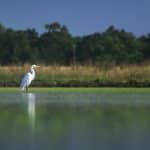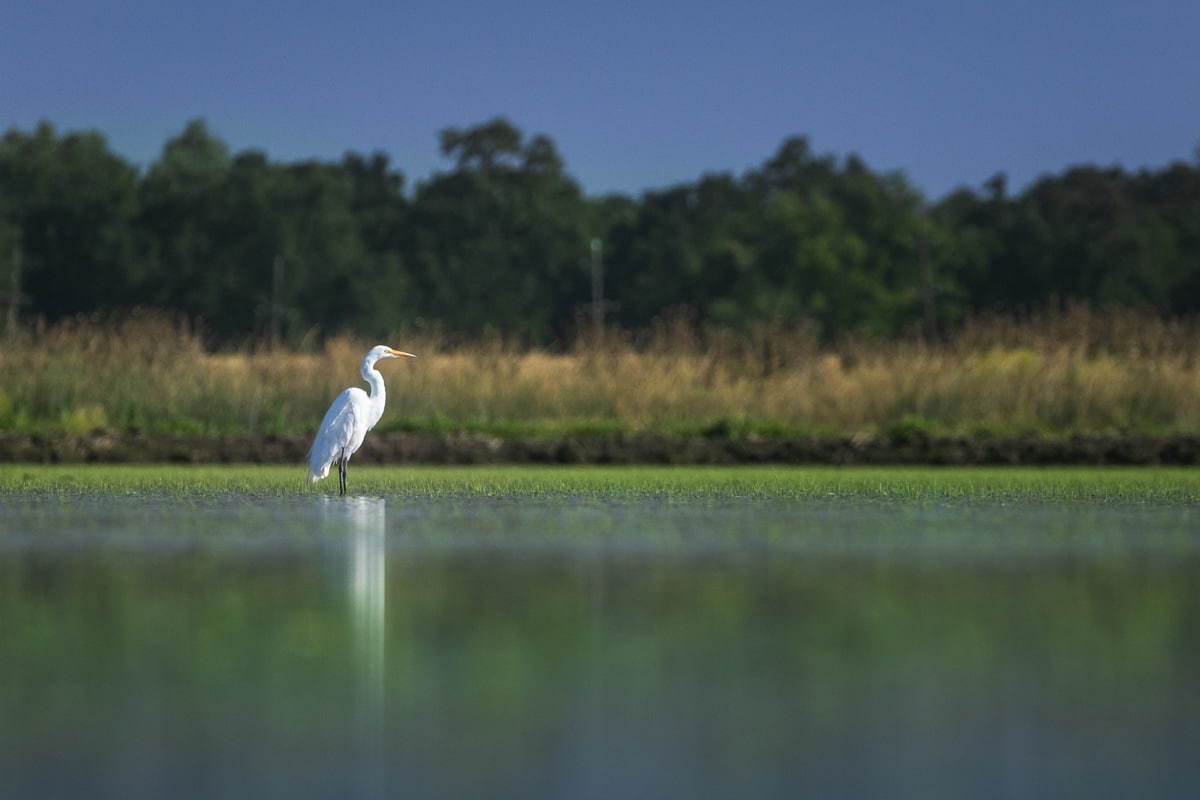
Healthy water systems support more than farms — they support wildlife. This egret is one of many utilizing temporary wetland habitat at this SWIF project along California’s Sacramento River. © Andrew Studer and Michael Shainblum / RRG Capital Management LLC

Investing in the Agri-Food Transition: Climate-aligned, water-resilient strategies that create value for investors and nature

What’s happening across the world’s premium food‑producing regions isn’t a gradual shift that investors and asset managers can afford to ignore. It’s an accelerating agri-food transition that is rewriting the sector’s fundamentals, from land quality to water security to market stability. Across geographies, converging signals highlight the need for an immediate shift toward agricultural markets aligned with thriving natural systems. This transition creates both urgent needs and exciting opportunities for private capital participation. 

It is increasingly understood that biodiversity loss is a systemic economic risk that is already disrupting supply chains and financial stability in the food system. More than half of global GDP rests on ecosystem services now in decline. News coverage from 2023-2025 highlighted volatile climate events that contributed to more than 140 instances of crop destruction worldwide. In response, governments are making historic commitments to mobilize capital to reverse biodiversity loss.

This agri-food transition is not theoretical for those of us working inside it. Through the RRG Sustainable Water Impact Fund (SWIF, the Fund), a $1B diversified, non-concessionary real assets platform, we see daily how these realities are reshaping both agricultural and ecological systems and the capital flows that depend on them. 

Launched in 2019, SWIF is a collaboration between RRG Capital Management (RRG) and The Nature Conservancy (TNC), spearheaded at TNC by its impact investing team, NatureVest. SWIF aims to demonstrate how private capital can be successfully deployed to better manage land and water for people and nature. RRG, a firm with over 20 years of experience in this sector, is responsible for Fund operations, investment execution, and asset management. TNC, a global conservation non-profit founded in 1951, serves as a conservation advisor, lending deep experience in nature-based solutions, conservation science, and innovative nature finance.

SWIF uses a diversified strategy to create multi-layered value and measurable impact in premium agricultural regions by investing in business plans that aim to transition land and water assets from increasingly non-viable practices toward more resilient, water‑secure, climate‑adaptive uses. 

The Realities Reshaping High‑value Crop Regions

Specialty‑crop regions are feeling this transition acutely. Demand for nuts, grapes, citrus, berries, and other high-value produce continues to grow, with production remaining heavily concentrated in Mediterranean‑climate zones such as Chile, South Africa, Australia, and California. These areas now experience earlier last frost dates, rising nighttime temperatures, and increased summer water demand, shifts that are reshaping crop performance and irrigation requirements.

As conditions change, new regulatory responses — notably on water use — are introducing real financial stakes for those invested in and reliant on farmland. Take California’s Central Valley, arguably the world’s most productive farming region, where the state’s Sustainable Groundwater Management Act (SGMA) has moved from planning to full implementation, with binding groundwater allocations taking effect. And in Europe, emerging regulatory frameworks are influencing supply chains down to individual farms worldwide.

In our experience, these constraints can also define opportunities. 
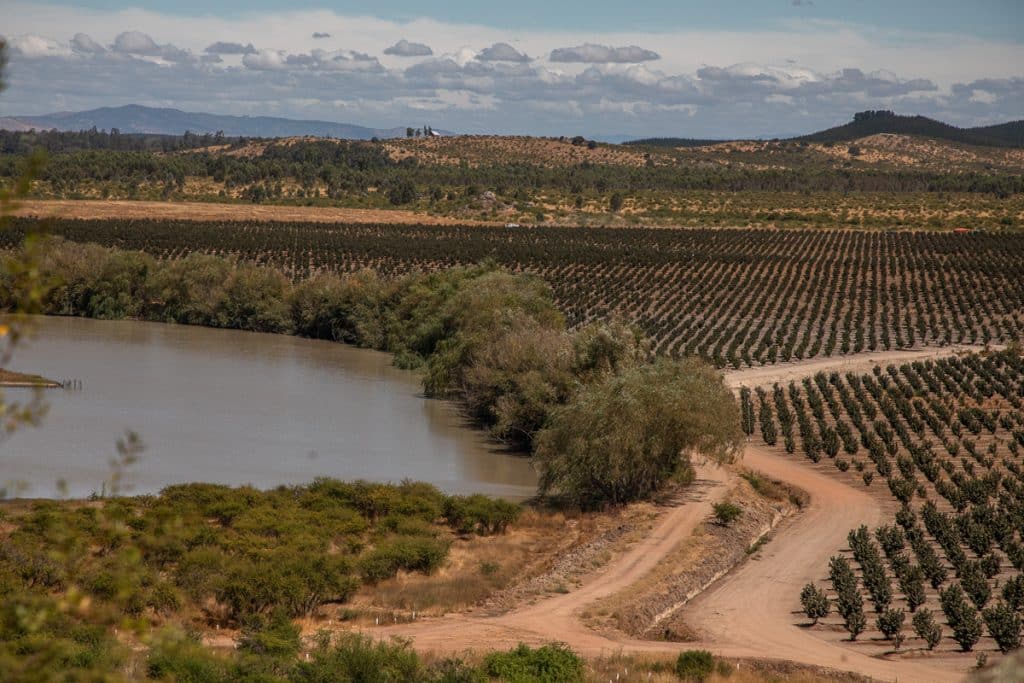
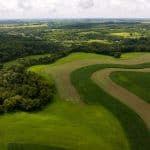
Corylus farm and lake. At this new hazelnut farm in Chile, climate‑aligned water management is supporting a more resilient landscape — productive agriculture and nature working side-by-side.
Corylus farm and lake. At this new hazelnut farm in Chile, climate‑aligned water management is supporting a more resilient landscape — productive agriculture and nature working side-by-side. © Juan Pablo Reyes / RRG Capital Management LLC

We believe that real-asset investors, especially in agriculture, are uniquely positioned to support this global transition by investing in land and water strategies that build resilience. These practices can be pragmatic, measurable parts of business plans — from shifting acreage toward more reliable water supplies and redeveloping orchards for future heat loads to evaluating market‑based options for ecologically sensitive parcels, expanding on‑farm solar, and investing in water systems that stabilize yields under stress. Markets are already rewarding this focus on resilience, as recent analyses from BCG and Quantis shows supply-chain volatility has pushed buyers to favor producers who can maintain supply even under climate‑driven shocks. 

Sign up for our biweekly Ejournal

Global Events Calendar

Latest Cimate & Energy News

Featured Video

Sustainability News from 3BL

Designing a Fund for the Agri-food Transition

This kind of investing is structured on forward‑looking hydrological and climate trajectories rather than backward‑looking averages. Portfolios would ideally need to look beyond yield, targeting places where climate‑driven land and water use changes create room for value-added transformations.

Funds designed for climate, nature, and water realities integrate those elements into their thesis, screening rules, and operating guidelines. In SWIF, climate science can inform both investment strategy and asset management, considering not only how investments impact climate but also how climate impacts investments. 

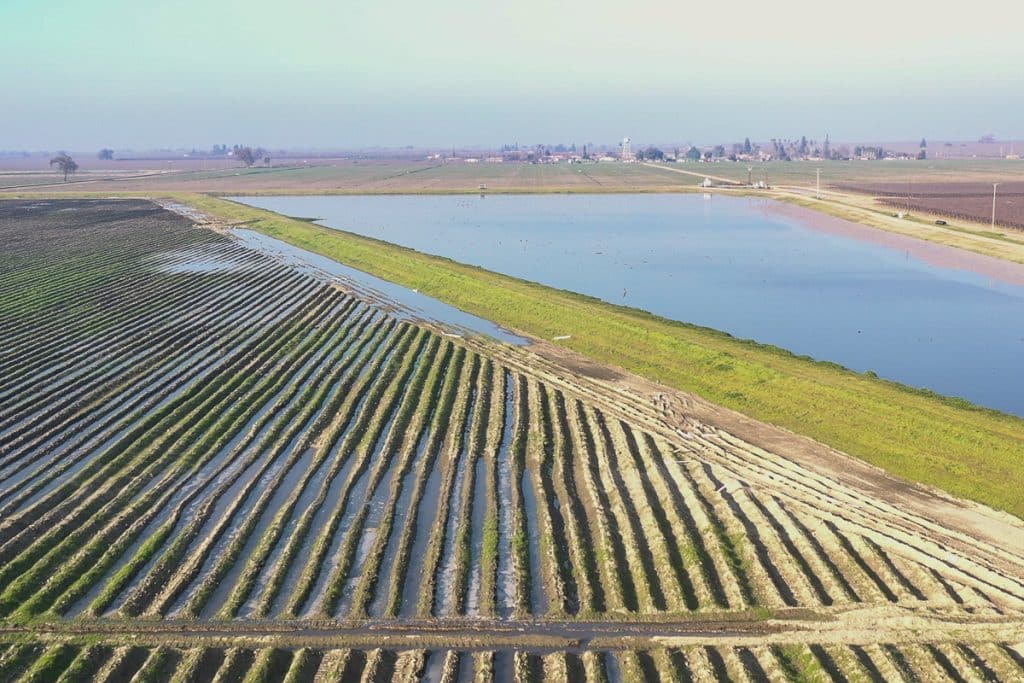
Capinero Creek recharge area. At this groundwater banking facility in California’s Central Valley, dedicated recharge areas allow water to percolate down into the aquifer — an on‑farm investment that boosts long‑term water security.
Capinero Creek recharge area. At this groundwater banking facility in California’s Central Valley, dedicated recharge areas allow water to percolate down into the aquifer — an on‑farm investment that boosts long‑term water security. © Justin Darnell / RRG Capital Management LLC

A collaborative governance structure can align interests and strengthen operations and outcomes. TNC, RRG, and an independent natural-resource expert serve on SWIF’s Technical Advisory Committee (TAC), reviewing potential investments for established “do no harm” safeguards and opportunities for positive impact, while TNC also participates on SWIF’s Investment Committee as part of the Fund’s governance framework. And a portion of RRG’s economics as General Partner are tied to achieving real, additional, and verified impact.

What the Transition Looks Like in Practice

A truly climate- and water-smart agriculture transition becomes real only when science-backed considerations are translated into decisions on the ground, applying across regions and crop systems.

In SWIF, these choices tend to fall into a few recurring patterns:

• Climate‑informed asset transformation. Shifting crops and operations toward diversified, resilient systems better prepares them for future temperature and water conditions. In Chile, 1,730 acres of water-intensive rice was replaced with lower water-use hazelnuts, while shifting part of the farm’s water supply from seasonally variable surface water to reliable groundwater from a healthy aquifer. In Australia, new native macadamia orchards were planted on mounded rows to help protect against extreme precipitation events, with cover crops and hedgerows to help stabilize soil structure and improve soil health. 

• Water for farming and for nature. The SWIF portfolio has recharged 12,575 acre‑feet of groundwater, enhancing aquifer health and creating storage to improve future water reliability for farmers. It has dedicated 1,912 acre-feet to nature in California and Peru – an acre‑foot being the volume needed to flood an acre one foot deep, roughly enough to supply three homes a year in Southern California. 

• Nature‑positive land transitions. Rebalancing land use with available water resources is a core part of the climate-smart operating model. These interventions help stabilize microclimates, water flows, and soil moisture — conditions essential for reliable production under stress. In the process, these practices have also restored 13,607 acres of seasonal wildlife habitat, including crane roosts and wetlands for shorebirds and waterfowl, and improved land management across over 17,840 acres to support healthy ecosystems and priority species. 

• Diversified exit pathways. Conservation-oriented exit strategies can be an important tool for adapting to changing land‑use contexts. Recent successes include 1,002 acres now protected as Turning Point Preserve along the Sacramento River and 560 acres at the Sweetwater project in the San Joaquin Valley, restoring critical wildlife habitat along California’s single largest wildlife corridor. While these exits may seem novel in traditional investing structures, they provide valuable optionality and enhance adaptability and performance in markets where future land use is evolving.

Seven years in, the core SWIF practices described in the Fund’s new 2025 impact report are demonstrating a model for resilience and value creation.

The challenge now is scale: translating these approaches from individual assets, and even whole portfolios, to the wider agri‑food system.

Scaling the Agri-food Transition

Scaling climate-smart agriculture is essential because climate and water pressures are systemic, spanning whole regions and ecosystems, not just individual farms. Scaling also restores the ecological functions — water reliability, soil stability, biodiversity — that underpin production and support the people and wildlife who depend on them. 

But accelerating an industry-wide shift will require significant capital deployment, new investment strategies and operating practices, and landscape-scale collaborations working in alignment. 

We believe more capital can be directed toward agricultural systems built to thrive under emerging climate and water conditions. Asset managers and producers can ensure resilient operating practices are a core part of business strategy. And expertise from stakeholders working on the ground in natural capital, including farmers, water districts, rural communities, and NGOs, can drive the cross‑sector cooperation needed for truly transformative outcomes. Together, these elements can drive a sustainable transition of the agri-food sector as it shifts under the stresses of climate change and nature loss.

This approach is not only feasible; it can be a strategic advantage. It is an investment model built for the realities transforming the sector. And early movers in this agri-food transition can be the ones shaping — rather than chasing — the dynamic market ahead.


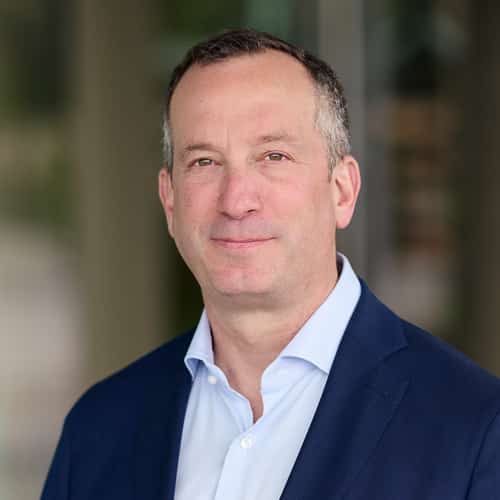
Article by Dr. Catherine (Cat) Burns of NatureVest at The Nature Conservancy and Ari Swiller of RRG Capital Management

Dr. Catherine (Cat) Burns is the Managing Director of NatureVest at The Nature Conservancy. NatureVest is TNC’s in-house impact investing and nature finance team. Under Cat’s guidance, NatureVest offers a broad suite of financial solutions that yield impactful conservation outcomes in alignment with TNC’s 2030 goals. Cat’s leadership is pivotal in advancing the organization’s mission by integrating sustainable financial practices and innovative conservation strategies. Cat joined TNC in 2010 and previously served as Managing Director, Impact Management for NatureVest, leading a team focused on providing conservation science to inform TNC’s investment partnerships to maximize conservation impact. Cat also previously served as associate director of TNC in California’s Water Program and as the director of science for TNC in North Carolina. Cat earned a B.S. from Emory University and Ph.D. from Yale University.


Screenshot

Ari Swiller is Managing Partner of RRG Capital Management (RRG) and Chair of its Investment Committee. In co-founding, building, and operating RRG, Ari has played a critical role in most of the investments of the Firm and its affiliates, particularly in negotiating deal structures, generating stakeholder support for projects, restructuring operating companies, opening new geographies, and determining investment strategies at the asset-, fund-, and Firm-level. In addition to portfolio company boards, he has served on the board of Falcon Waterfree Technologies and is a founding board member of the Miguel Contreras Educational Foundation and a past board member of the Los Angeles Conservation Corps and The Willows Community School. Ari earned a B.A. from Cornell University.


Global Events Calendar

Featured Podcast

Sustainability News from 3BL

Sign up for our biweekly Ejournal

Global Events Calendar

Latest Cimate & Energy News

Featured Video

Sustainability News from 3BL

Latest GreenMoney News

Latest GreenMoney News

Impact investing

Electric_tower_and_blue_sky

Food & Farming

Agrivoltaics gives us hope in a divided world by Garrett Chappell