


Above image from – Beyond Risk and Return: the role of finance in preserving and fostering biodiversity
The loss of animals, plants and our natural ecosystem have a major impact on our economy and poses a threat to the survival of humanity. Institutional investors are increasingly considering biodiversity loss to be a material risk for their investments. “This is a crucial first step. However, capital allocation is lagging, despite the availability of good and profitable solutions that make sense,” says Karel Nierop, Head of Products and Solutions at Triodos Investment Management.
Many pension funds are still hesitant to fully embrace biodiversity as an investment theme. The numerous definitions and the high level of abstraction may contribute to this reluctance. Nierop: “In fact, it’s very simple: biodiversity ensures that nature functions properly and more than 50% of the global economy depends on this.”
According to Nierop, biodiversity loss should be regarded equally as seriously as climate change for that reason alone. Like climate change, biodiversity loss is a systemic risk, argues Nierop.
“Biodiversity loss destroys precisely what we depend on economically. Once you recognize that, the rest follows logically: investment policy, selection criteria and accountability to participants. All investments have an impact on biodiversity, unfortunately mostly negative at present. If we make the right choices, however, it can also be positive.”
No more excuses for inaction
According to Nierop, pension funds are mainly struggling with the practical implementation of a biodiversity strategy. His advice: “Don’t wait too long and recognize biodiversity loss as a material risk at least.” A common objection is that it is difficult to measure the impact of biodiversity investments and therefore difficult to account for them to stakeholders and participants. Nierop understands the need for indicators and standards. “But that should not be an excuse for inaction. Back when we started climate investing, there was no single, overarching framework in place.”
There are plenty of starting points for creating a framework. The main causes of biodiversity loss are now clear: climate change, pollution, habitat loss and overexploitation. “Measurable indicators already exist for these, such as soil health, species diversity and land use,” says Nierop.
New technology is making it increasingly easier to measure these indicators. “Satellite data and drones can be used to map changes in land use and soil quality over time. Echo technology can be used to measure a forest’s species diversity based on sound. AI models are improving analysis, pattern recognition and predictions. But someone needs to measure it. That goes hand in hand with actual investment.”
A biodiversity strategy limits risks
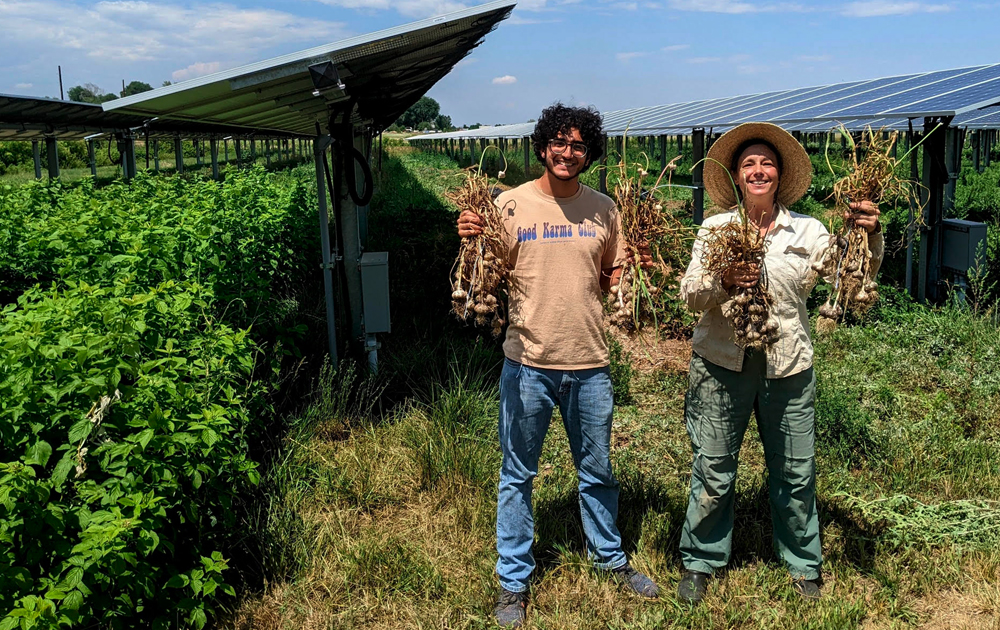
What are the potential risks and returns associated with biodiversity investments? Nierop argues that there are plenty of opportunities to take the first steps in this area, such as regenerative agriculture or forestry. “Agriculture and forestry have been asset classes for years. They have stable cash flows and a low correlation with financial markets. That dynamic does not change because you start farming in a more nature-inclusive way or manage forests differently.”