

As many countries are backtracking on climate commitments, women’s leadership is more crucial than ever

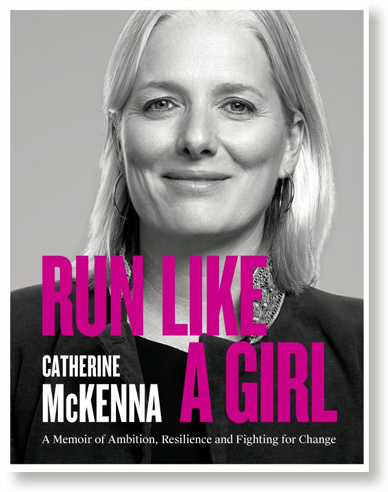
In her just-published memoir, Run Like a Girl, Catherine McKenna doesn’t flinch from describing the hard times she endured as Canada’s Minister of the Environment and Climate Change in the Trudeau government. From sexism (slurred as “Climate Barbie” by Conservative opponents) to death threats, she found that directing policy to address climate change was challenging for reasons that went beyond climate and policy. Yet she managed a national plan for a carbon tax on industrial polluters and on everyday fossil fuel usage – policies still being debated in other parts of the world. She was dismayed in 2019 when Parliament approved plans to triple the capacity of the Trans Mountain pipeline which carries tar sands oil, a notoriously polluting form of crude. Then the Trudeau administration declared a pause on the carbon tax (the Carney administration has since cancelled the measure outright). Dismayed but not deterred, McKenna left government and founded Women Leading on Climate, a global coalition of women leaders spanning government, business, and civic society, to drive climate action. In this excerpt from Run Like a Girl, she describes why WLOC can be effective in making change through the collective voices of women. “I am a realistic optimist. We just have to keep on making the very economic, logical case to folks,” she told The Guardian.
After a decade of working on climate, I’m more convinced than ever that empowering women is one of the most effective ways to make real change. From boardrooms to classrooms, negotiating rooms to communities, and on the streets, women are stepping up to demand urgent action and push for change. They speak hard truths, challenge the status quo, and refuse to back down. And while the journey is often lonely and the work is incredibly hard, women are pushing us forward, one step at a time.
The facts are undeniable: women are two and half times more likely to demand government action on climate. They’re 60 percent more likely to use their voices to advocate for change and twice as likely to engage civically on the issue. Companies with more women in leadership roles are more likely to take decisive climate action, including disclosing their emissions. Women leaders in government, business, and civil society are driving progress.