Soil Wealth: Investing in Regenerative Agriculture
By Joshua Humphreys
Croatan Institute
American agriculture is facing the most challenging environment since the Farm Crisis of the 1980s. Input costs to plant most row crops continue to exceed the income associated with their harvest. Nationally, the American Farm Bureau Federation estimates that agricultural losses are approaching $100 billion during the 2025-2026 farming cycle. Even with the current Administration’s emergency “bailout” to commodity farmers, all of the largest crop categories, including rice, cotton, oats, peanuts, corn, wheat, and soybeans, still generated per-acre losses last year, ranging from -$61 to -$210 per acre. 1
Without daring to call it “climate change,” even the Farm Bureau admits that “in recent months, farmers have been hit with extreme winter storms, drought, wildfires and infrastructure losses, followed by spiking fuel and fertilizer costs driven by global conflict and supply disruptions.”2 Here in North Carolina, where I farm, we have had nine named tropical storms and hurricanes over the last decade alone, costing more than $150 billion in damages. The number of billion-dollar weather-related disasters has increased over the last half century – roughly my lifetime – from a rate of only one event per year in N.C. to more than seven per year over the last half decade. Managing the realities of climate risk is a daily job for anyone involved in agriculture.
The current Administration’s penchant for wars – whether they be trade wars or military conflicts – has exacerbated the rising costs of equipment, fuel, and fertilizer. The Chief Economist of the Food and Agriculture Organization recently warned that the disruptions in the Strait of Hormuz associated with the war in Iran are triggering one of the most severe shocks in global commodity flows in recent years, with massive impacts on agricultural production and food security.3 And given the high reliance on foreign farm workers in the U.S., immigration enforcement raids on farms have disrupted farm operations, increased labor costs, and created a climate of fear in rural communities.
Today’s farm crisis is only magnifying a longer-term crisis of land stewardship, however. According to American Farmland Trust, we are on track to lose more than 18 million acres of farmland over the next decade and a half.4 Approximately 11 million acres of farmland were lost during the first decade and a half of the 21st century, often due to sprawling, poorly planned low-density residential development. Indeed, N.C. is second only to Texas in farmland acres projected to be lost by 2040 – a figure that may exceed one million acres of nationally significant farmland in a “runaway sprawl” scenario that appears to be playing out in real time.
The crisis of stewardship is apparent in how we farm as well. Less than one percent of total US farmland is USDA Organic Certified, and less than five percent of land is planted in rotational cover crops. Nearly a century after the Soil Conservation Service was established during the Dust Bowl era, U.S. farmland continues to suffer from severe soil erosion, to the tune of 4.73 tons per acre annually. This translates into a total soil loss of nearly 2 billion tons nationally per year, representing more than $12 billion in additional annual economic losses to farmers.5 Soil loss is particularly acute in the upper Mississippi River basin, where soil erosion rates are more than twice the national average, so it’s little wonder that, given the routine use of soil-disturbing tillage practices and application of synthetic chemical fertilizers, insecticides, and herbicides, our watersheds have become highly impaired by runoff from agricultural land. Flooding from extreme precipitation events often drives that erosion, so climate change is merely adding insult to our self-inflicted injuries. The excess nutrients running off Midwestern corn and soybean farms have created a notorious “dead zone” at the mouth of the Mississippi River – equivalent to approximately three million acres of habitat – where oxygen levels are so low that marine life simply cannot thrive.6
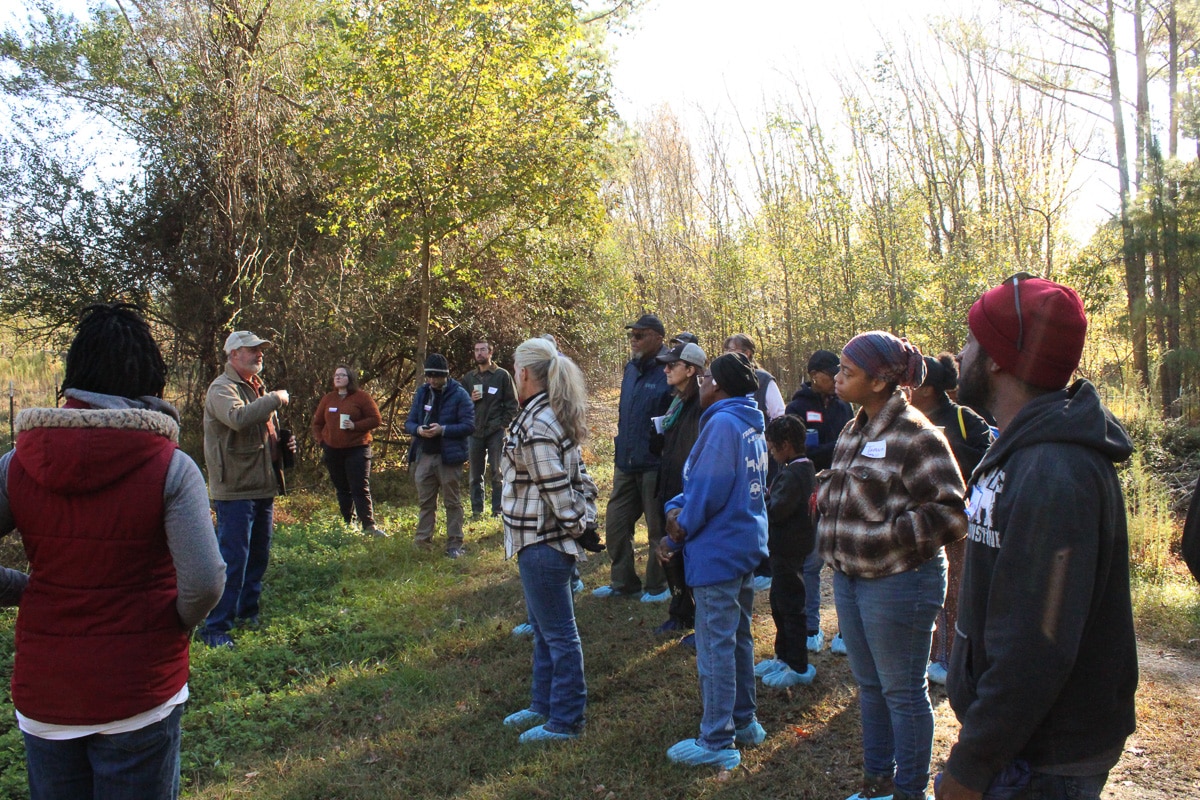
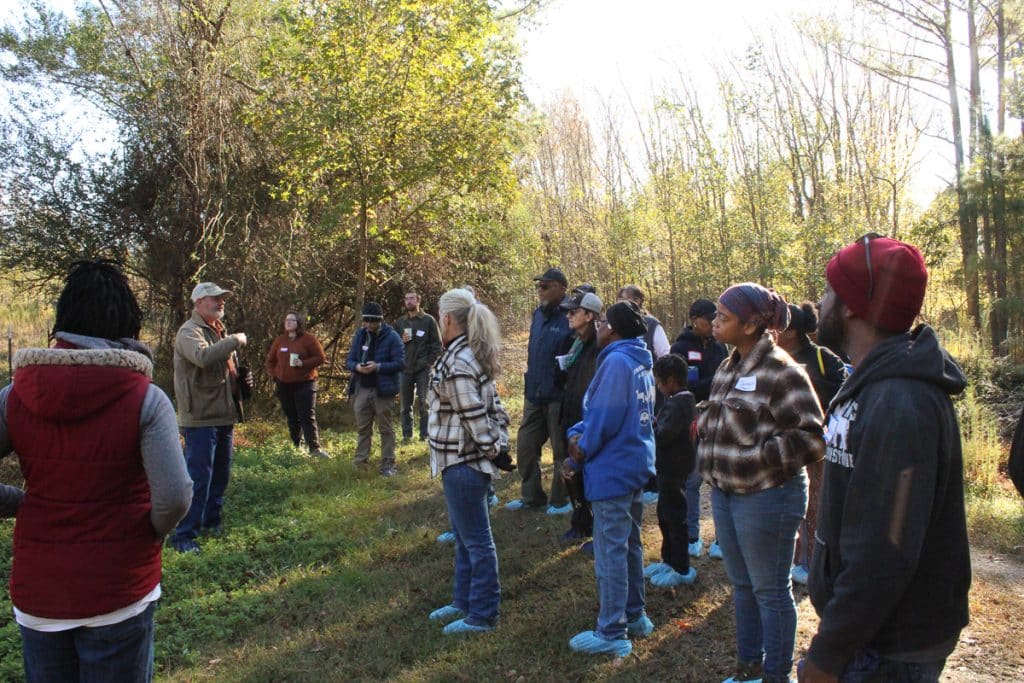
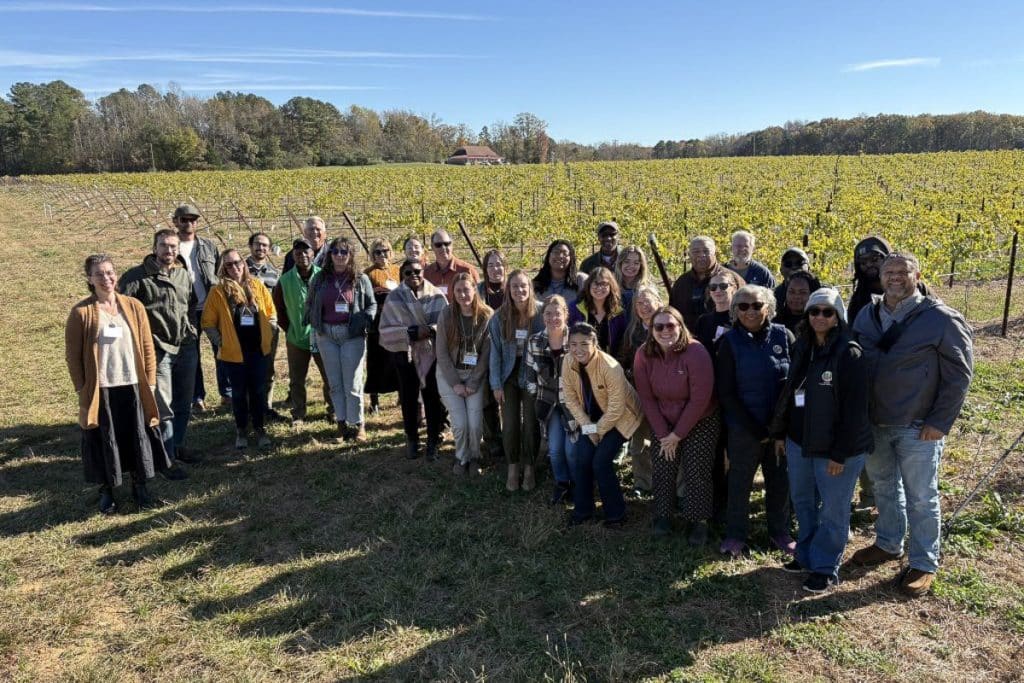
Farmers and capital providers in North Carolina for a farm tour and capital conversations.
This is just one of many negative impacts that conventional agriculture has had on biological diversity. In the U.S., farmers spray more than half of the world’s supply of agricultural pesticides on their fields every year, and the toxic drift of these sprays across the landscape is responsible for harming bees, butterflies, and other insects that both pollinate crops and serve as food sources for larger animal species.7 Herbicide drift similarly kills fruiting and flowering plants that provide food and habitat for many species. It turns out that these same “conventional” farming practices that are exacerbating soil erosion and biodiversity loss – excessive tillage and chemical application – are also undermining soil microbiology and the nutritional quality of our food.8 The knock-on effects on human health are unsurprising: toxic bioaccumulation, endocrine disruption, oxidative stress, chronic inflammation, cognitive impairment, gastrointestinal issues, mineral deficiency, and metabolic syndrome. To paraphrase David R. Montgomery and Anne Biklé, we are what our food ate, and for the most part, it simply is not healthy.9
Ultimately, the solution to this crisis is rooted in our relationship to land. After all, land is the foundation for building what I call “Soil Wealth” – the constellation of benefits associated with investing in regenerative agricultural value chains, across farming, forestry, fiber, and food systems.10 By stressing soil wealth, we bring together not only the many well-recognized environmental impacts associated with improving soil health but also the inextricable imperative to build community wealth and human health, especially with underserved farmers and land stewards in distressed rural places.
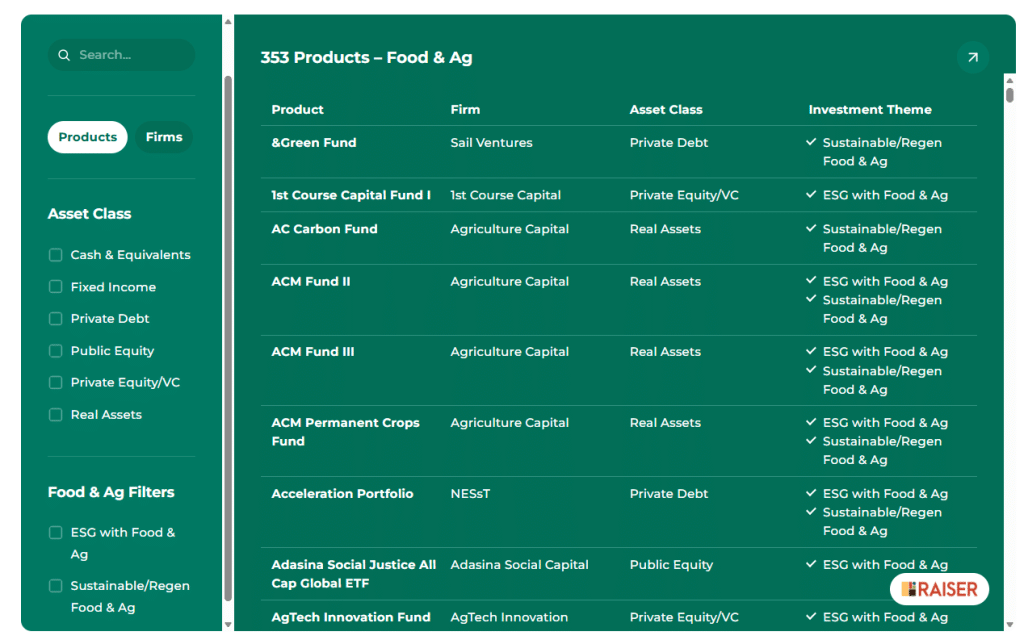
At Croatan Institute, our framework for mobilizing capital to finance soil wealth is based on a total portfolio approach to impact investing that evaluates opportunities holistically across asset classes and value chains.11 This may include equity investments in regenerative farmland funds and timberland investment management organizations (TIMOs); agricultural and rural CDFI loan funds, impact debt funds, and other private credit; deposits in mission-aligned banks and credit unions; and even public markets, given the pull and power that publicly traded food, agriculture, and retail companies exert across these value chains. Despite a growing array of options in regenerative agriculture investment, substantial financing gaps remain.12
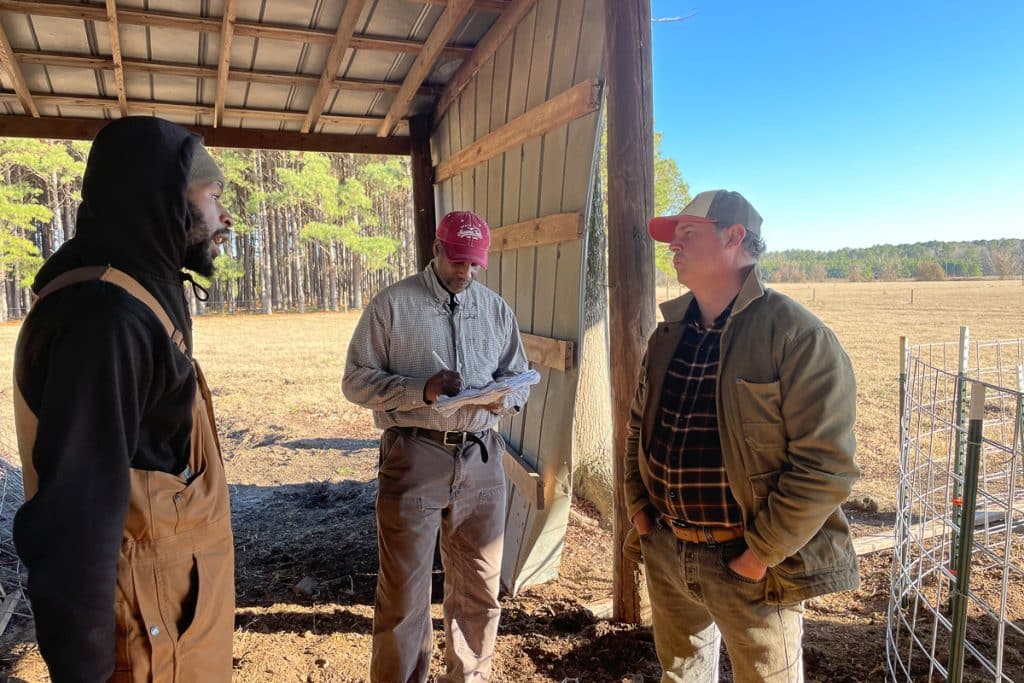
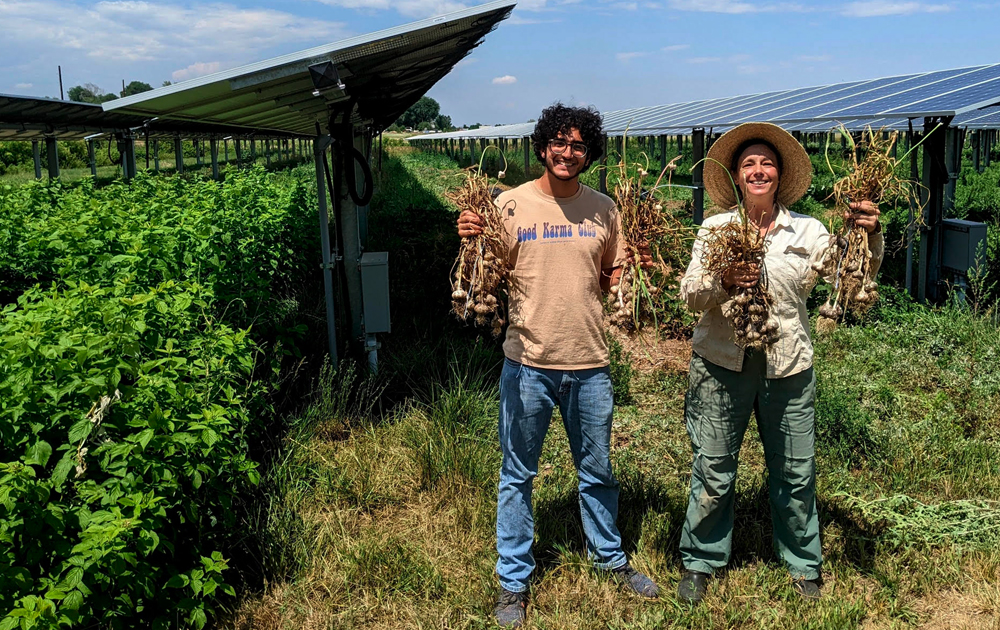
Soil Wealth Area team discussing land mgmt plans with Golden Organic Farm in NC.
Through our collaborative, place-based work piloting special-purpose financing districts known as Soil Wealth Areas, we have learned that farmers and value-chain entrepreneurs often need help navigating what can seem at times like a daunting set of financing options and government programs, often designed for large, conventional farms.13 Some need financial coaching or farm business technical assistance to help them understand their capacity to manage outside capital and strengthen their readiness for different forms of investment. Others need technical support related to conservation programs, regenerative practices, or USDA Organic certification.14 What we now provide are clearer pathways “from financial health to soil wealth.”
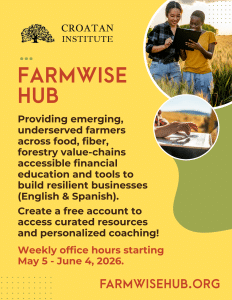
FARMWISE Hub– The FARMWISE Hub (Financial Agriculture Resources for Maximizing Wealth, Income Stability, and the Environment) was launched in 2025 to provide emerging and experienced underserved farmers with the financial skills, information, and resources they need to start their business, attract capital, build wealth, and revitalize rural communities. Farmers anywhere in the US can access the FARMWISE Hub at no cost.
Because land access has repeatedly arisen as a need and the South is one of the most undercapitalized regions in the U.S., we are now developing a land acquisition strategy: the Resilient Southern Legacy and Nature Defense (LAND) Fund. A joint venture with our partners at Rural Beacon Initiative (RBI), the Resilient Southern LAND Fund will acquire and transition farms into the capable hands of land stewards through creative lease-to-own partnerships. Building upon the capital collaboration that financed the acquisition of RBI’s Free Union Farm in eastern N.C., as well as land-back efforts with tribal partners affiliated with the Eastern Band of Cherokee Indians in western N.C., we will work closely with place-based partners and aligned investors to mobilize capital for landscape regeneration across the Southeast. For those ready to finance resilient nature-based solutions to the complex, interconnected crises we face, we hope you’ll join us in investing in soil wealth.
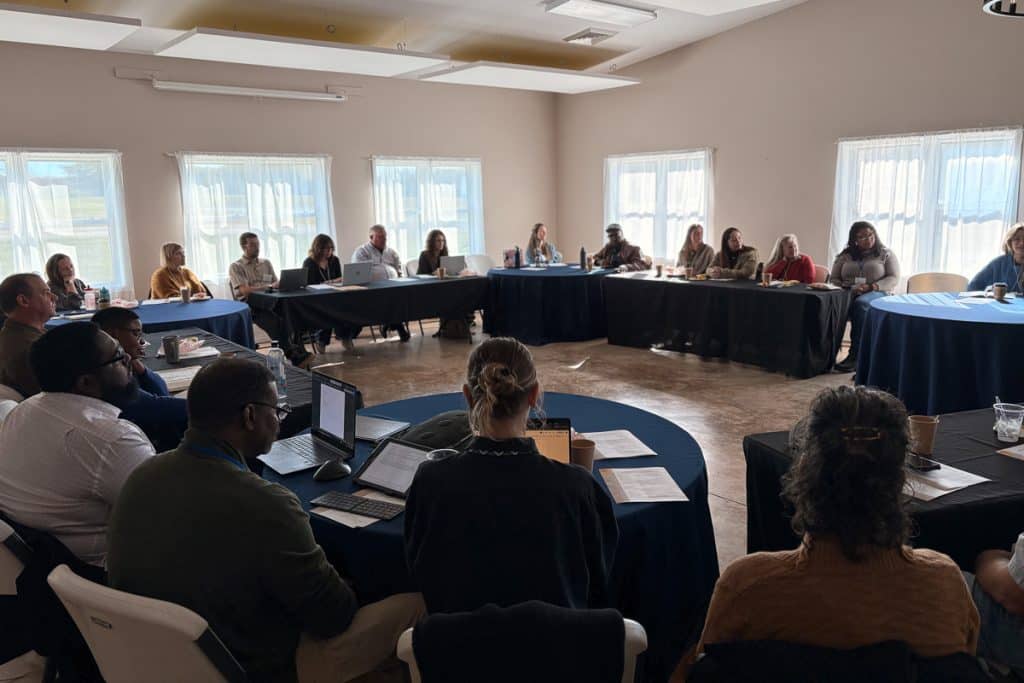
Croatan Institute convening of NC Soil Wealth Areas network of food, fiber, and forestry practitioners, stakeholders, and investors. December 2024.
Article by Joshua Humphreys, who is the President, Co-Founder, and Distinguished Senior Fellow of Croatan Institute, and Director of the Institute’s Soil Wealth program.
National Resources Inventory: Summary Report, USDA Natural Resources Conservation Service, 2022; and “Soil Erosion Threat Increasing with Climate Change,” Penn State Extension, 20 February 2024. ↩︎
To deliver both online financial health training and direct one-on-one and small cohort-based financial coaching, Croatan Institute developed the FARMWISE Hub for underserved farmers, with support from the US Department of Agriculture, and in collaboration with NC Soil Wealth Areas, our teams also provide direct advisory services for land stewards and entrepreneurs seeking access to capital or technical assistance to expand regenerative features of their operations. ↩︎