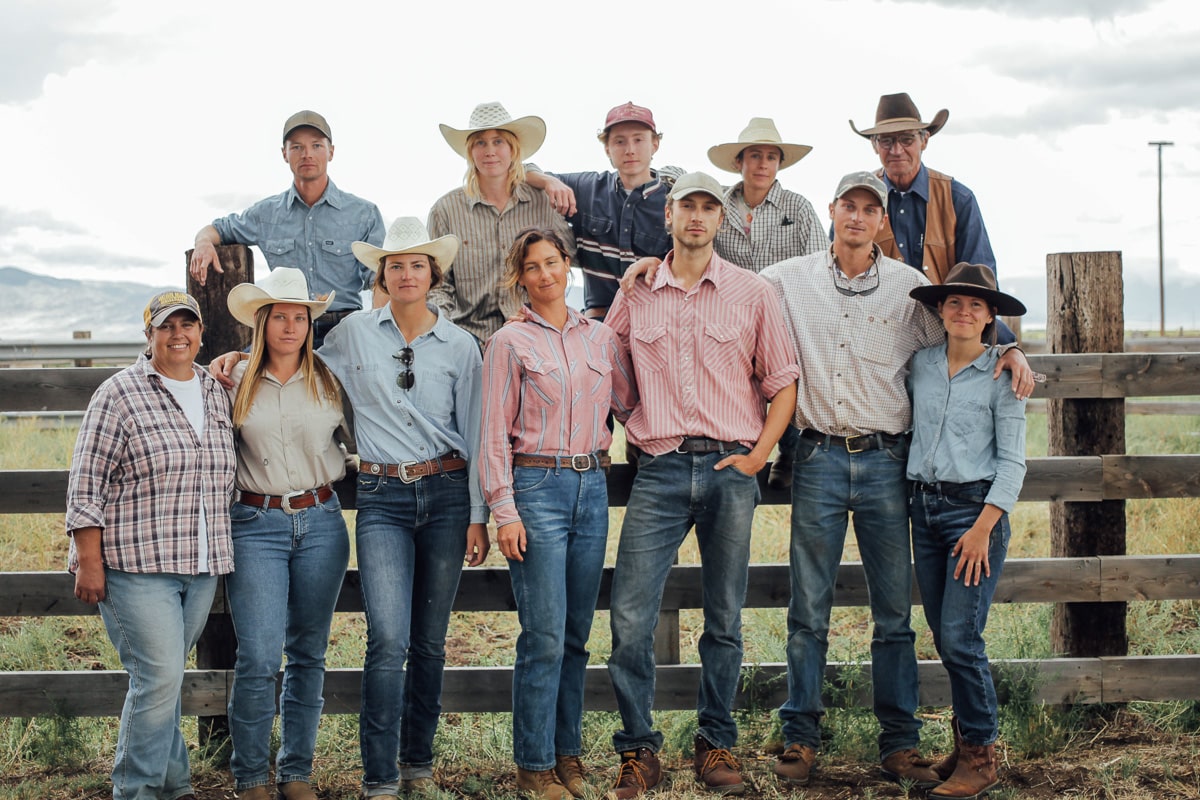
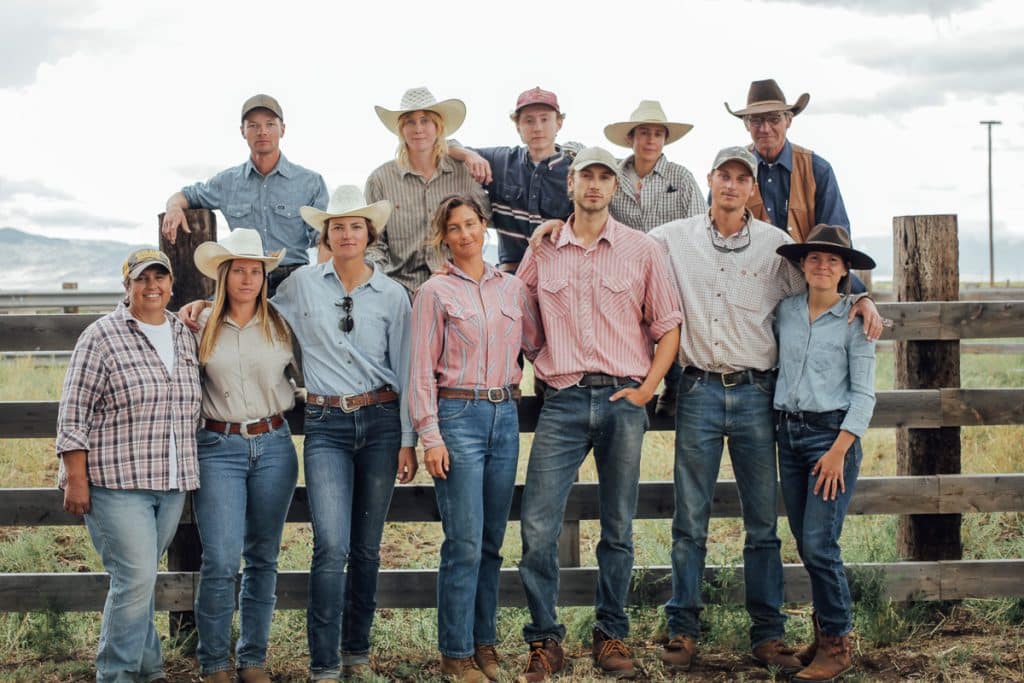
Quivira Coalition’s New Agrarian Program

Can the Same Land Stewardship Support Healthy Land and Healthy Ranches?

Two months into the job as executive director of Quivira Coalition, I found myself in Santa Fe, New Mexico, at the REGENERATE Conference for ranchers, farmers, and land stewards. Even though I was new, the conference – co-hosted by Quivira, Holistic Management International, and American Grassfed Association – felt like a family reunion. This feeling was in no small part generated by the number of kids running around with attendee name badges dangling around their necks. Two parents, Jesse and Leah Pinkner, took turns in the hallway, one pushing a stroller while the other took notes on the mainstage speaker. Both are graduates of Quivira’s New Agrarian Program apprenticeship; Jesse is now a manager fellow, and after years of planning, training, and negotiating with family, they’re fully-fledged owners and operators of LZ Ranch. 
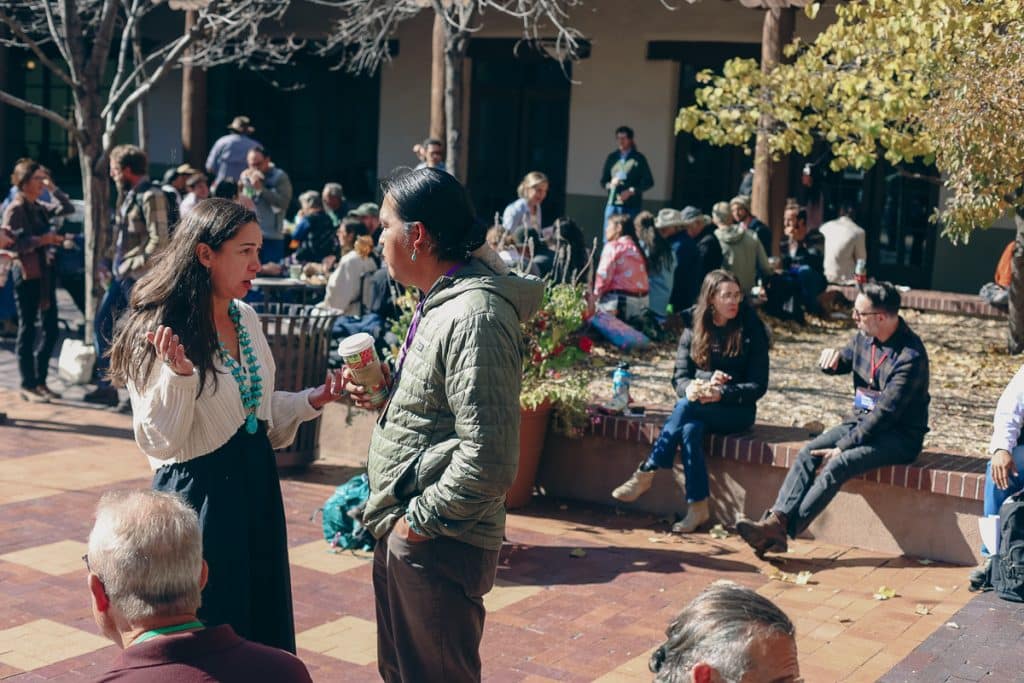
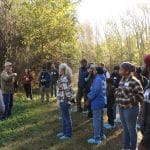
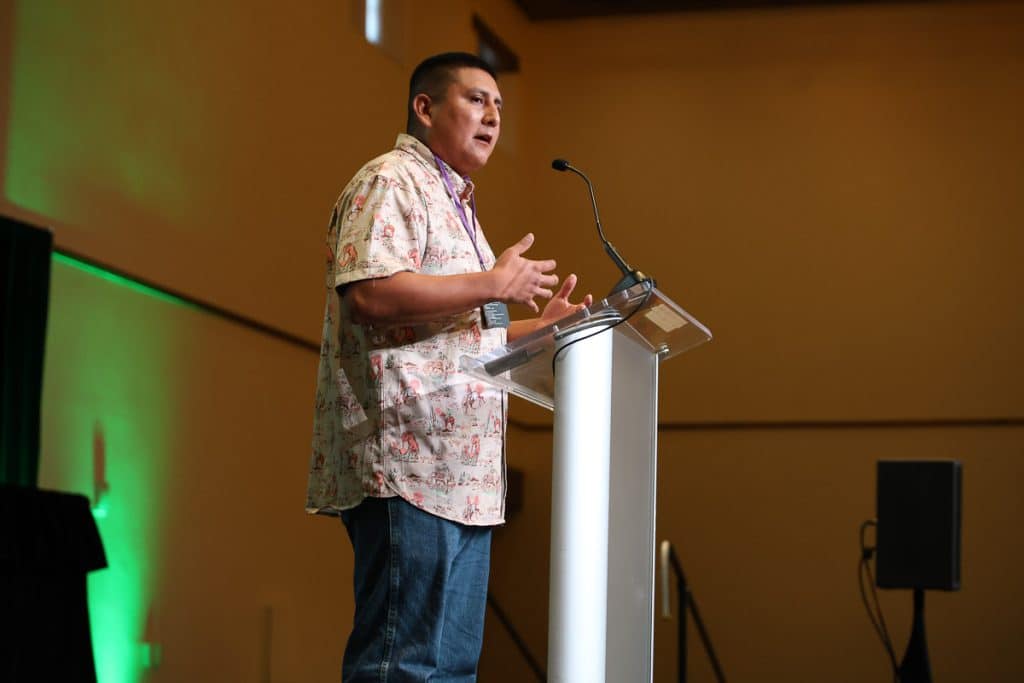
2025 REGENERATE Conference in Santa Fe, NM

At almost 30 years old, Quivira Coalition is multiple generations into a movement based on bringing unlikely people together for resilient lands. During the 1990’s range wars, a rancher and two environmentalists started Quivira. Their purpose was to show that “ecologically healthy rangeland and economically robust ranches can be compatible.” They aimed to do so not by hiding behind compromise or even limiting the scope of solutions to common ground. Instead, founder Courtney White committed to calling out the issues and, by exploring alternatives, achieving a shared vision. The name, Quivira Coalition, is a reference to that elusive, shared vision. “Quivira” was a term used by 14th-century Spaniards to describe unknown lands in the west. Around the same time as Quivira’s founding, rancher Bill McDonald of the Malpai Borderlands Group used the term Radical Center to describe similar work. Collaborative conservationism provided an alternative to the constant litigation and legislation that defined this period. 
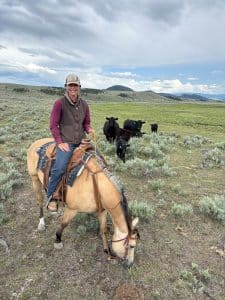
As lofty as Quivira’s ideals began and remain, the work is practical. White described how his point of conversion from “bumper sticker environmentalism” to a third way of doing things happened on a tour of cofounder Jim Winder’s ranch. As they drove by healthy grass and running water, Winder asked White what he actually wanted the land to look like. They discovered they wanted many of the same things. For Winder, it was a recognition that the war between ranchers and environmentalists was a distraction. In fact, both camps were losing to economics and demographics. Without a truce, the open spaces both interests sought to protect would be subdivided, exploited, or abandoned. 

If ranchers are going to help keep these open spaces alive, their businesses have to pencil out. That’s a tall order for any rancher. Conventional wisdom will tell you that moving cattle more and restoring riparian areas will pile costs onto an already strained way of life. Even low-cost, nature-based climate solutions can be expensive to effectively site and scale for western lands. Debt cycles and limited liquid assets often force ranchers to focus on short-term goals. Meanwhile, they are also staring down decades-long droughts and catastrophic wildfires that threaten to put them out of business. It’s challenging to prioritize long-term environmental benefits when fighting these immediate pressures. 

Alternatives to this zero-sum game do exist, though. Personal accounts and scientific data support practices that both mitigate costs during drought and fight climate change. If a soil’s carbon content increases by one percent, that soil is able to hold up to 25,000 gallons of additional water per acre. Every year, ranchers like Alex Guerrero have demonstrated to Quivira audiences how holistic practices improve cow composition and make their ranches more resilient during drought. Quivira seeks out and amplifies practices that support both a rancher’s economic needs and a regenerative ecosystem. 
Zachariah Ben
Zachariah Ben

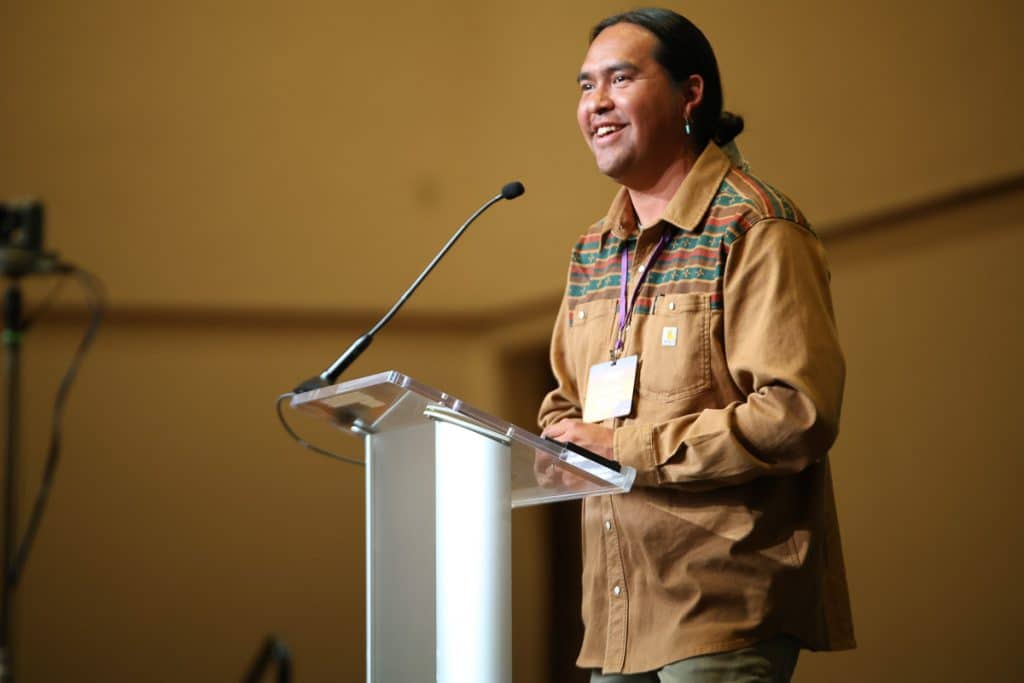
Quivira also doggedly supports farmers and ranchers who investigate opportunities to sustain their practices by adding value, expanding regional and local markets, and diversifying income. Last year, Zachariah Ben shared how Bidii Baby Foods uses traditional, value-added processes to make his sustainable agricultural practices economically viable. Jodi Benoit shared how White Oak Pastures has diversified into everything from tourism to beef tallow. And, we’re teaching manager fellows like Pinkner how to assess direct marketing options for their operations. New funding sources have to also be considered. MAD Capital, a REGENERATE sponsor, spoke to ranchers about new financing models. Government grants should be a workable part of the capital stack; increasingly, states and federal entities are recognizing ranching practices with co-benefits like healthy soils, resilient watersheds, and rural vitality. As governments invest in programs to increase these positive results, Quivira works to make these public-private partnerships more accessible to ranchers throughout the west. Each of these solutions are fundamental to continuing resilient land stewardship for another generation. 

Sign up for our biweekly Ejournal

Global Events Calendar

Latest Cimate & Energy News

Featured Video

Sustainability News from 3BL

James-Calabaza
James Calabaza

With so much on its plate, I’m often asked: What exactly does Quivira do? I’d sum it up as three things: convening, working on the land, and cultivating the next generation. Quivira’s convenings range from webinars for half a dozen people trying to learn the Farm Service Agency’s (FSA) farm loan system to our annual REGENERATE CONFERENCE, where more than 600 people gather. No matter the topic or size, these convenings center around opportunities to spread demonstrated success to new places and practitioners. But, we’ve learned something along the way: those successes spread faster when we’re also honest about failures. Those failures include personal experiments on the ranch and much larger societal ones. At that same REGENERATE Conference, James Calabaza from Trees, Water, People gave a talk about indigenous practices in land stewardship. After his presentation, a young woman raised her hand and asked a question that made the room go silent. As a rancher, she asked how she could “do better” in spite of our nation’s history and the injustices that had allowed her family to own a ranch in California to begin with. That question, and Calabaza’s response, turned an uncomfortable, potential rift in our community into an opportunity for dialogue. Ranchers asked follow-up questions about their role in this moment, when history cannot be undone, but they want to take a better next step. That vulnerability is, to me as a newcomer, what Quivira is all about. Our convenings work because we seek out areas of potential conflict with a willingness to learn from different perspectives. The differences are what make the difference. 

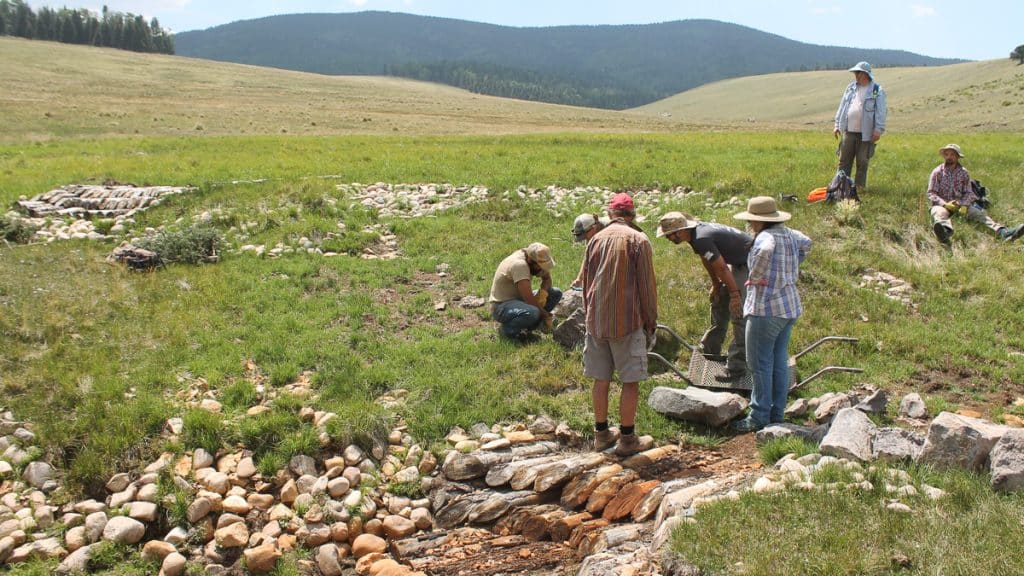
Working on the land comes naturally to Quivira. Originally described by White as a “do-tank,” Quivira exists to demonstrate how emerging research can result in real impact on the land. From enormous water catchment systems on Quivira’s own Red Canyon Reserve to rancher-led workshops that demonstrate compost techniques they’ve applied to their own fields, Quivira shows that a Radical Center is possible. Thanks to a recently revived investment from the Natural Resources Conservation Service (NRCS), Quivira will be launching a new opportunity to continue showing that these practices can be profitable as well. Stay tuned for more soon. 

Quivira Coalition Workshop

The future of Quivira hinges on the third big bucket of our work. After years of convening people and working on the land, Quivira realized it had a problem. No matter how many good ideas and demonstrated successes Quivira shared, the future was limited unless we also invested in future generations. In the early 2000’s, Quivira partnered with ranchers on the Navajo Nation to engage Navajo youth through hands-on mentorship. Later, Quivira developed the New Agrarian Program, which now has over 160 alumni. Over 80 percent of these alumni are, like Jesse and Leah, still working in agriculture today. This is something we’re immensely proud about. 

So, after 30 years, what can Quivira tell you about healthy lands and healthy ranches? We can tell you the challenges keep coming. From hollowed-out rural towns to megadroughts and megafires, the range wars have morphed into an existential crisis for the rural West. Thankfully, resilient land and people are rising to the challenge. What brings me hope is that the Quivira community continues to explore the Radical Center, to learn from our failures, and to share our successes as the next generation takes bold steps into the future. 

The 2026 REGENERATE Conference is being held October 28-30 in Santa Fe, NM. Find out more about the event here


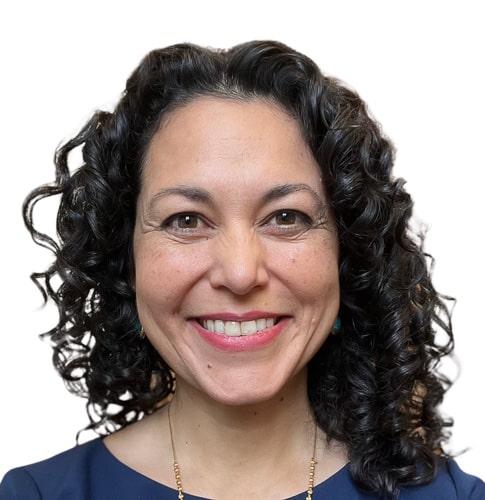
Article by Xochitl Torres Small, who is a sunny New Mexican who loves the land. The granddaughter of farmworkers, Xoch went on to serve her home as an attorney practicing water and natural resources law, a United States Representative, and U.S. Department of Agriculture Deputy Secretary. Now, she’s proud to continue forging solutions as executive director of the Quivira Coalition, which fosters resilience on working lands.

In Congress, Xoch represented the largest district that wasn’t a whole state. She changed complex regulations to support collaborative water conservation and made White Sands a National Park. During COVID, she helped keep farmers, small business owners, and rural hospitals from bankruptcy. At the Department of Agriculture, Xoch first worked at Rural Development, overseeing an annual $40 billion to connect people to high-speed internet and water systems, invest in rural health care and businesses, build homes, and expand clean energy. As deputy secretary, Xoch served as chief operating officer for over 100,000 civil servants. During her tenure, she helped make permitting more efficient and created the USDA’s first drought program financed through the Commodity Credit Corporation. She’s been confirmed by a bipartisan United States Senate twice. 

Xochitl lives in Las Cruces, New Mexico with her husband, horses, dogs, and cats. They spend as much time as possible hunting and exploring the great outdoors.

Global Events Calendar

Featured Podcast

Sustainability News from 3BL

Sign up for our biweekly Ejournal

Global Events Calendar

Latest Cimate & Energy News

Featured Video

Sustainability News from 3BL

Latest GreenMoney News

Latest GreenMoney News

Impact investing

Electric_tower_and_blue_sky

Food & Farming

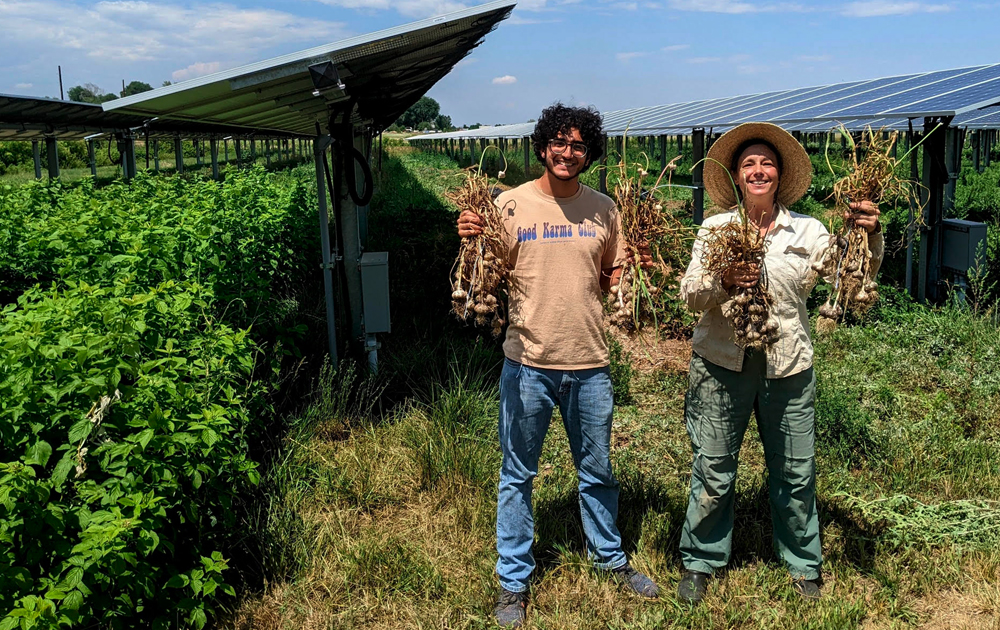
Agrivoltaics gives us hope in a divided world by Garrett Chappell