by Eliza Frey, Winemaker,
Frey Vineyards

Frey Vineyards is America’s Pioneering Organic Winery. Founded in 1980, we have always been family owned and operated and it is our mission to produce highest quality organic and biodynamic wines without the addition of synthetic chemicals or preservatives while fostering environmental stewardship and social equity.
 Drs. Paul and Beba Frey moved to Redwood Valley in 1962 to raise their growing family and live closer to the land. They had twelve children who were put to work on the farm. The first vineyards were planted in the early 1970s when grape cultivation was expanding with the growth of the California wine industry. For the first few years the family sold the grapes, but in 1980 Jonathan Frey and his brothers and wife started making wine. Jonathan and Katrina had just returned to Redwood Valley after an organic gardening apprenticeship and were deeply committed to chemical free agriculture and food production. The choice to make wines without added sulfites was a philosophical one and has guided the vision and mission of the business ever since.
Frey Vineyards was an innovator in organic and non-sulfited wines and our winemakers have been self-taught and passionate about preservative-free winemaking. Adding sulfites to wines can make them less likely to spoil during aging, bottling and transportation. Making wines without sulfites requires extra care and attention during the winemaking process, but we have honed in the wine chemistry enough to understand what dangers preservative-free wines face and how to avoid those. We never expose our aging wine to oxygen. We sterile filter the wines before bottling and use specialized low-oxygen bottling equipment. We ensure that all of our finished products are stored and transported under ideal wine storage conditions. These precautions have allowed us to produce vintage after vintage of stable, delicious and award winning preservative-free wines.
 Today Frey offers a full line of Organic and Biodynamic wines. Organic wine production in the United States is overseen by the USDA’s National Organic Program (NOP). The NOP standards for organic wine require that the winery be both grower and processor certified organic. This means that the grapes used in winemaking are certified organic, and the processing of the wine is organic – no sulfites or other synthetic preservatives can be used. Organic wine in the US must be produced with certified organic yeast.
Biodynamic certification is overseen by Demeter USA and the Biodynamic Wine Standards differ slightly from the Organic Standards. Frey Vineyards produced the nation’s first Certified Biodynamic wine in 1996. Biodynamic Wines can have no added yeast or malolactic bacteria, so all of the fermentations are carried out by native yeasts found on the skins of the grapes. Native fermentations make for complex and unique wines because several different strains of yeast are involved in the fermentation process. Native fermentations also make wines that vary from vintage to vintage because the yeast populations vary each year based on growing and climactic conditions. Biodynamic Winemaking Standards allow sulfites to be added, but at Frey we choose to never add sulfites to any of our wines.
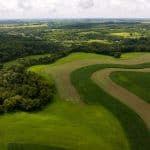
Great wines start with quality fruit and we see our organic and biodynamic farming practices as the foundation of our winemaking. Here in Mendocino County we are blessed with an ideal climate for grape production. We have cold wet winters and hot dry summers that allow grapes to ripen without fungal or mildew pressure. Grapes are hearty plants that don’t require a lot of nutrients to thrive and we are able to keep soils and plants healthy with annual cover cropping and compost applications. We convert our grape waste leftover after the winemaking process into compost that is tilled back into the land.
Here in California water is a big issue for farmers and this is amplified by the drought of the past few years. Grapes are not always a water intensive crop. They grow in some of the most arid climates in the world. However, many growers choose to irrigate as a way to boost yields and prevent vine stress in heat spells. Vines that are never irrigated can send taproots down up to 60’ to gather water and nutrients. Vines that are use to being irrigated develop roots in the upper soil levels. These vines suffer when cut off from irrigation. At Frey Vineyards we use irrigation sparingly and have been able to cut back on summertime waterings with no ill affects to vine health.
Another significant use of water in grape farming is frost protection. In Mendocino County grapes need to be frost protected in the early spring in order to avoid freezing damage to the young emerging shoots of the grapes. Tender buds and shoots get burnt if frozen and that damage can compromise the fruit set for a whole season. In the 1970’s people figured out that overhead sprinkler irrigation is an effective way to protect the plants. On freezing nights we turn on overhead sprinklers and the water insulates the vines and keeps the temperature from dropping below freezing. The number of hours or nights that frost protection is necessary varies from year to year but frost protection represents a large water demand. In 2015 the California State Water Resource Control Board adopted new legislation that requires grape growing regions to develop Water Demand Management Plans to make sure that all growers have access to needed water for frost protection while preventing stream and river levels from dropping to levels that can harm or strand salmonid populations.
Frey Vineyards grows and manages 350 acres of our own grapes and also buys grapes from over 50 certified organic family farms in Lake and Mendocino Counties. We are pleased about these relationships that keep local acreage in organic production and provide secure business relationships with local growers. Mendocino County boasts the highest percentage of certified organic viticulture of any growing region in the US and we are proud to be a part of it and also to follow organic certification beyond the vineyard and into the winemaking process.
 Today’s wine market has lots of wines made from organically grown grapes, but we don’t stop halfway with the grape growing. We are both grower and processor of certified organic which allows us to use the USDA organic seal and the term “Organic Wine” on our labels. Wines made from organic fruit that are not processor certified are restricted to use the term “Made with Organically Grown Grapes.” For consumers seeking a 100 percent, start-to-finish certified organic wine it is important to recognize this distinction and seek out processor-certified organic wines with the USDA Organic seal.
Into the future we want to continue providing delicious and natural wines for people looking for organic beverage options. We are firmly grounded in our commitment to organic growing and processing practices, and to live and produce as sustainably as possible with the land we are blessed to cultivate and protect. We will continue to offer customers fabulous organic wines while enhancing the health of our farm and communities.
Frey Vineyards’ award winning wines can be found across the country in fine wine shops and grocery stores. We are carried in Whole Foods stores across the country. Visit http://freywine.com/ for a list of our distributors and more information.
Article by Eliza Frey, Winemaker, Frey Vineyards
Eliza joined the family winemaking team at Frey in 2005. Carrying a background in chemistry from Warren Wilson College in North Carolina, she assists her uncle Paul in all aspects of winemaking. Eliza also works closely with growers, assisting them with their organic certification and sugar-testing their fruit to ensure we purchase only the highest quality certified organic grapes.