The Untapped Power of DAF investing
Much of the public conversation about DAFs centers on payout rates and on the fact that DAFs aren’t subject to a 5% annual spending requirement like foundations. This is an important conversation, and campaigns like #HalfmyDAF have encouraged donors to withdraw funds from their DAFs. But we’re left to wonder: what about the money that stays in?
The fact is, the majority of DAF assets are invested. The question isn’t whether they’re invested—it’s how.
Currently, most DAF dollars are invested in public markets and guided by a ‘grow to give’ mindset—growing the corpus for future needs. Yet those investments may unintentionally undermine our giving goals. It’s not uncommon to grant to environmental or social justice causes while the underlying DAF assets are invested in funds that include fossil fuels, extractive industries, or business models contributing to the harms we seek to address.
Additionally, DAF holders have specific freedoms that make DAFs uniquely positioned to support deep impact investing. Financially, we have already given this money away to create impact. It’s legally not ours anymore. We can’t use it to pay our bills or send our kids to college.
Structurally, we don’t have to answer to shareholders or seek board approval to experiment and align our investments with our values. We can move quickly, take more risks, or accept lower financial returns in the service of a deeper impact. We can invest in ways that reflect our values, not just to grow our accounts for future giving. We can support early, imperfect, and essential solutions—especially urgent as government support for critical issues decreases. We also have the possibility to ‘recycle’ this money, continuously investing in impact when returns are achieved.
However, most DAF holders lack access to the knowledge, tools, opportunities, or peer support needed for this work. Further, most DAF sponsors don’t make these investments easy or accessible—often charging high fees or requiring substantial minimum investments, if they allow it at all.
Together, we can change all of that.
What Working Together Looks Like in Practice
We didn’t start out trying to build a movement. We started by trying to solve problems we cared about, only to bump up against the same constraints again and again.
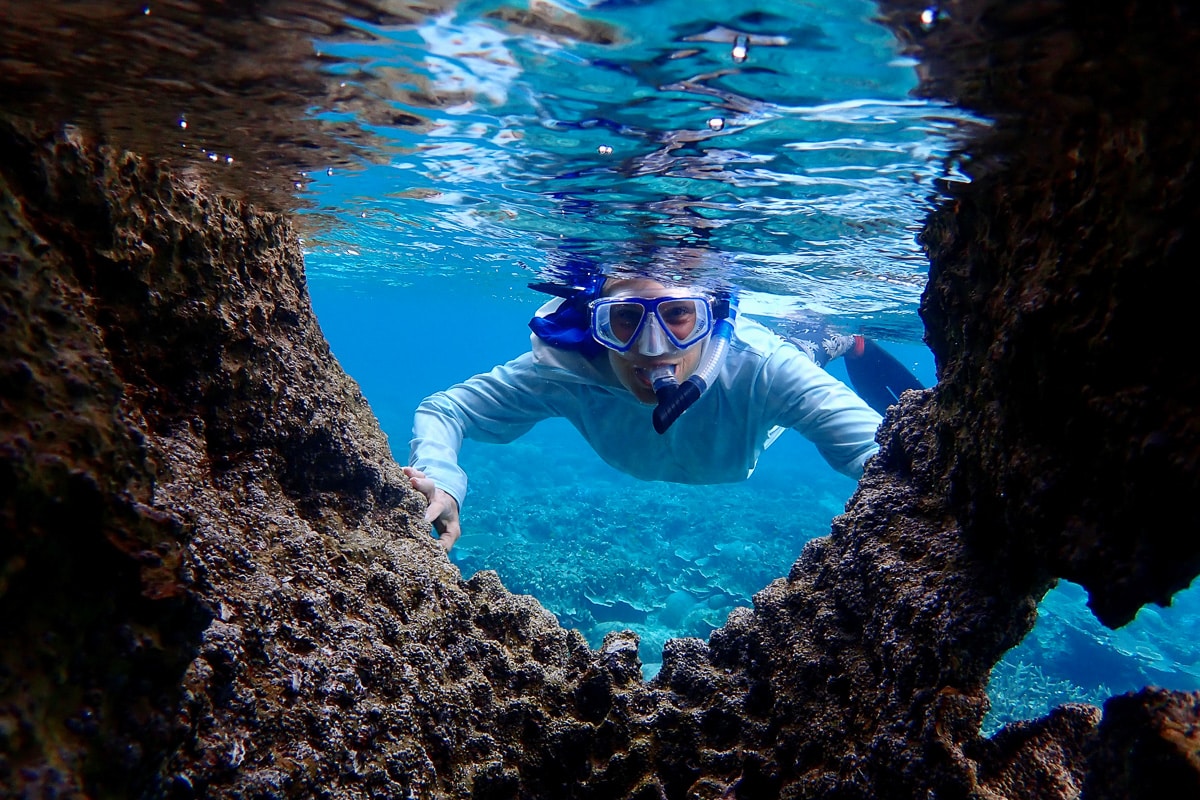
Two of us were working at the intersection of climate justice and capital access, frustrated that money is urgently needed to support frontline businesses addressing climate change, but also how difficult it is to move DAF money into investments aligned with a just transition. Another was deeply embedded in ocean conservation, seeing firsthand how much patient, flexible capital was needed to support sustainable fisheries and aquaculture, blue economy innovation, and ocean-positive enterprises.

The Collective Climate Justice Fund (CCJF) and the Sea Forward Ocean Health Fund were born out of a recognition that, by pooling resources and community, we could not only have a greater impact but also start to build a community of DAF holders who want to learn and move money together. Both are multi-donor, collaborative funds built by us within donor-advised fund structures at ImpactAssets and, separately, also utilize CataCap. We aggregate capital from individual DAF holders to invest in values-aligned companies and funds, and to make grants to nonprofits.
In just over a year, without formal staff, we have mobilized almost 100 donors and over $6 million into 20 private debt and equity investments and strategic field-building grants across our two funds. While this is just a tip of the $330 billion iceberg, it’s a promising start.

What if 10% of all DAF assets… adding $300-450 billion of the more than $3-4.5 trillion coming into DAFs in the next decade… were put towards deep impact investments?3
• We could add 20X the $33 billion current annual flow to venture capital-funded impact-oriented companies, working on the next big ideas in ocean health, climate solutions, tech, or AI for good, etc.
• We could double the $436 billion in total balance sheet capital of all community development financial institutions (CDFIs), to raise up low-income communities everywhere.
• We could build 1,300,000+… yes, 1.3 MILLION… affordable housing units in the US. That’s upwards of 20% of the national shortage.
• We could provide 23 million micro and small business loans to lower-income and diverse entrepreneurs in the US.4
From Experiments to a Movement
We don’t believe that CCJF or Sea Forward, by themselves, are “the answer.” They are examples—proofs of concept that something different is possible when DAF holders act collectively.
This isn’t about purity, perfection, or pressure. It’s not about shaming anyone for what they haven’t done yet. Instead, this is about curiosity, experimentation, and shared accountability. About recognizing that there are systems that are not serving us—and asking better questions and demanding better solutions together. About creating new norms for what’s possible, not being held to how philanthropy or investing have been done before.
Our hunch is that there are thousands—maybe tens of thousands—of DAF holders who are ready to do more with their capital, if they didn’t have to do it alone. If even a fraction of us moved together, the impact could be system-changing.
But the real shift wouldn’t just be financial. It would be cultural.
DAF holders would stop being passive account holders and start becoming active participants in shaping the systems their money touches. We would move from isolation to relationship, from inaction to agency, from “my DAF” to “our impact.”
This is an invitation, not a prescription. We invite DAF holders to take an active step: reach out, connect, and form communities with others. Challenge the status quo, experiment, build, and learn together. Use your DAFs to give and invest boldly in what matters—start today, not tomorrow. If you’re uncertain how to proceed, begin by seeking out peer networks, asking your DAF sponsor for impact investment options, or contacting us to join our collaborative funds. Every action counts.
Instead of feeling paralyzed by scale, we can begin to see leverage. Minimum investment thresholds that are impossible alone become accessible together. Risks that feel scary solo become manageable when attempted with others. Knowledge gaps close faster when learning is collective. DAF sponsors who feel immovable can begin to change their policies to align with our practices. Just as importantly, the emotional terrain shifts. The awkwardness around money softens. The fear of experimentation eases. A sense of shared responsibility—and shared possibility—emerges.
We don’t know exactly where this will lead. Social movements rarely start with certainty. They start by organizing ordinary people to tackle extraordinarily challenging problems.
If you’re a DAF holder, you’re already part of this story. Take the next step by connecting with fellow DAF holders, joining collaborative efforts like ours, or launching your own. Join us now to write the next chapter together and help shape a more connected, thriving future—as we build bridges and ferries between our collective islands.
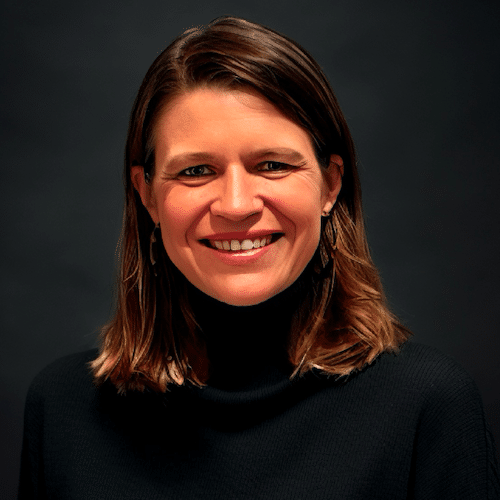
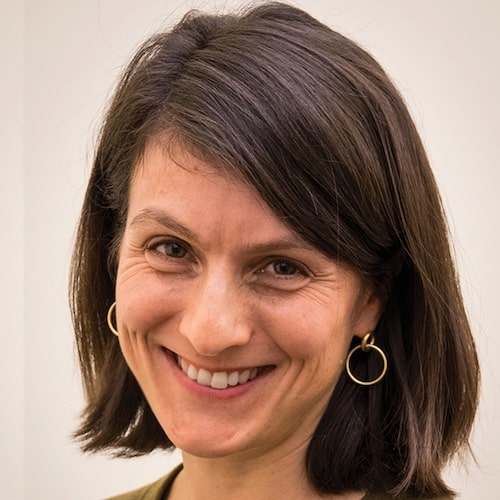
Article by Alex Hammer Ducas and Claire Raffel, who are part of the founding team for The Collective Climate Justice Fund. And Laura Francis, the Founder of Sea Forward Ocean Health Fund. Together with other leaders in the DAF ecosystem, they are building the DAF Commons, a peer community by and for DAF holders interested in collective impact and investing. To find out more and get involved- http://www.dafcommons.com
Footnotes