

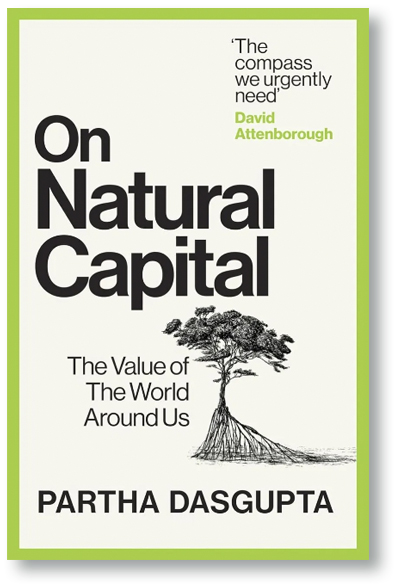
The world’s economic system has taken nature for granted and now we’re paying the price. That’s the premise of Partha Dasgupta’s latest book, On Natural Capital: The Value of the World Around Us.
Dasgupta, an economist at the University of Cambridge and author of a 2021 review of biodiversity economics for the UK government, is very concerned about the gap between the demand and supply side of natural capital. The demands on nature and what nature can supply have been over-extended, he says.
“Nature is underpriced,” he tells Green Central Banking. This is “the fundamental problem the global economy now faces … we are sunk, because you can’t just keep on drawing on nature”.
The destruction of natural habitats, including the loss of coastal lands and forests, are just a few examples of this, he says.
The problem is that capital markets don’t price in the use of nature. Water systems or the atmosphere, for instance, are considered to be free. And when things are free people tend to use more than they might need, Dasgupta says.
“The atmosphere is free; that’s one reason we have an excessive emission of carbon. If you start charging people for emitting carbon at a high enough rate, of course carbon emissions will be reduced,” he said.
How to price Nature
At the heart of Dasgupta’s book is how to price nature.
“There’s no ifs and buts about it, but the market got it wrong, because many of these [natural] goods don’t have prices,” he says.
Cost doesn’t have to be monetary, Dasgutpa explains, but it needs to be something that will deter companies and people from using up or polluting natural resources more than they otherwise might. Instead, he suggests thinking about costs by determining what social value nature gives us, then pricing that to help rebalance nature.
“You look for the services that natural capital provides and find ways to put a price on them. The price is a way of putting a value on it. We use the word price. It doesn’t mean a market price. We call it accounting price, or a shadow price, but it’s the social value. That’s the idea, because the market doesn’t work for that particular set of commodities. So, you’re trying to find out ways by trying to estimate what it is contributing to human welfare.”