Food & Farming

Love Point Oysters CEI Maine

Aquaculture: Bringing Climate Resilience to Maine’s Blue Economy

Maine, with nearly 3,400 miles of coastline and over 2,000 coastal islands, is inextricably tied to the sea. The Gulf of Maine has long supplied Mainers with both livelihoods and food but is one of the fastest warming bodies of water on the globe, with the average temperature rising by four degrees Fahrenheit over last four decades. The changes are extreme enough to materially affect people’s dinner plates and their jobs. 

Read More »
seal on iceberg courtesy of Philippe Cousteau Jr., SeaVoir Wellness

The Largest Climate Catastrophe That No One Knows About

“For generations, our family has pioneered the protection and restoration of our ocean by working in education, producing documentaries and writing books. But more recently, we realize that unless society builds financial systems that incentivize positive social and environmental outcomes and the corresponding economic opportunities for people, we will never solve the mounting environmental crisis facing our planet.”
Read More »

How Sustainable Ocean Funds Are Navigating Impact Measurement

Blue economy funds have experienced dramatic growth in the past half decade, with nearly thirty new entrants – ten or so of them in 2022 alone. This is good news, as it signals both growing investor interest in the sector and an increasing pipeline of investable opportunities. As this ocean investment ecosystem evolves, the question of how to measure impact in investments has become a frequent topic of discussion.

Read More »
Soil Wealth Areas Unlock Investing in Conservation and Regenerative Ag

Soil Wealth Areas Unlock Investing in Conservation and Regenerative Ag

Croatan Institute’s recent report, Soil Wealth Areas: Place-based Financing for Conservation, Rural Communities, and Regenerative Ag, summarizes a USDA-funded, feasibility assessment regarding development of place-based financing districts in NC, CA, OR, and WI. The project engaged with 40 farms across 25K acres as well as a diverse group of partners, investors and stakeholders.

Read More »
Making Best Farming Practices Work for Investors

Making Best Farming Practices Work for Investors

“I started Farm Holdings to restore as much land as possible and soon became obsessed with soil and soil erosion. We’re learning a lot about what you need to do to make regenerative ag work financially for investors, including partnering with farmers and ranchers around the collocation of clean energy with regenerative ag,” said Tim Luckow, founder

Read More »
Regenerative Ag Sustains and Revives Local Communities by Tracey Ryder

Regenerative Ag Sustains & Revives Local Communities

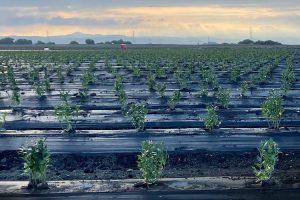
Regenerative agriculture has become a hot topic over the past few years. While it is more recently trending, our Edible Communities network has seen it being implemented at the local, grassroots level since we started writing more than 20 years ago. Regenerative agriculture offers an alternative approach that prioritizes both food production and environmental stewardship.

Read More »
The Untapped Climate Opportunity in Alt Proteins by Sagar Tandon

The Untapped Climate Opportunity in Alternative Proteins

By investing in the development and scaling of alternative proteins, we could reduce GHG emissions, create economic opportunities, and contribute to sustainable development. In addition to the environmental benefits, they offer other potential advantages. Plant-based proteins can be produced with significantly less land, water, and other resources than traditional animal agriculture as well as improve animal welfare.

Read More »
Climate Risks Threaten Investor Appetite for Livestock Production by Sofia De La Parra - FAIRR

Climate Risks Threaten Investor Appetite for Intensive Livestock Production

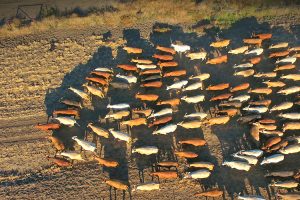
Global meat consumption is expected to grow over the next decade. The changing global climate poses significant risks not just to the growth, but to the fundamentals of the industry. From the rising price of feed to desertification of grazing lands and increasing regulation to reduce GHG emissions, climate-related risks require an extra layer of analysis for asset allocation in the sector.

Read More »
3 Trends Driving the Growth of Organic Ag by Craig Wichner Farmland LP

Three Trends Driving the Growth of Organic Agriculture

2022 was a breakout year for organic agriculture. Consumer demand for organic food continued its steady rise, with strong prices for producers, rising land values and excellent returns for investors. Beyond these results, three significant trends were sharply apparent last year that will continue to affect not only organic farming but the entire agriculture sector including investor interest in sustainable farmland practices.

Read More »
Love Point Oysters CEI Maine

Sign up for our biweekly Ejournal

Global Events Calendar

Latest Cimate & Energy News

Featured Video

Sustainability News from 3BL